
I am excited to share my health journey with you and how I achieved a 45-pound weight loss with litte to no exercise. I lost weight without crazy gimmicks and unrealistic goals. I managed to maintain a health weight most of my adult life with healthy dietary practices, running, and weight training. My exercise plan consisted of at least one hour at the gym, 5 to 6 days a week. That all changed when I had my first child which led to whopping 70-pound weight gain. I lost about 30 pounds after my daughter, then got pregnant with my son, and the weight I had lost returned. My son was diagnosed with a chronic life-threating illness in 2019 after his birth, and I found it even more challenging to focus on my health and weight loss. My son had a bone marrow transplant in 2020, in the middle of the pandemic so my focus was caring for him. Two years later, my family and I continue to rebuild our lives. I found it difficult to get back into a routine that included exercise. I felt exhausted daily and most days it was a struggle for me to get out of bed. Last fall (2021), I had a profound change in my motivation to commit to rebuilding a healthier lifestyle. My kids were the biggest motivation for me to start a new health journey. As a physician, I knew a lot about intermittent fasting and potential benefits, and I decided to apply what I knew and modify it to fit my lifestyle and preference. I also wanted to adopt a method of fasting that would improve my health, but it had to be sustainable. What is the point of doing fasting if it is not sustainable? Exactly, there is no point. Whatever your health journey is it must be sustainable to see consistent results. I will be posting on intermittent fasting, and my health journey weekly so be sure to follow this blog for more health tips. I will also post daily videos on my Pinterest page with intermittent fasting tip. I will talk about how to create your own form of “sensible fasting” to produce sustainable results, whether it be improvement in your health or weight loss. I will also have the option for people to send private messages through Pinterest.
First, I would like to give a little background on intermittent fasting, followed by the plan for week 1 as we head into the first week of intermittent fasting. September 26th will be day 1 of 4 weeks of daily tips to keep you energized and motivated through your health journey so click on the Pinterest link below to follow me.
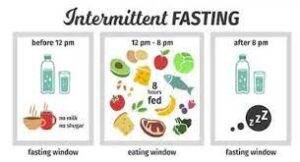
Intermittent fasting is also described as intermittent energy restriction. The process of fasting is not new. Fasting has existed for centuries in many forms, and it is a common practice in various religions around the world. Intermittent fasting is the process in which any of various meal timing schedules cycle between voluntary fasting (reduced calorie intake) and non-fasting, over a given period. Intermittent fasting has gained a lot of popularity over the past decade and has been studied in recent years. There is evidence to suggest that this method of fasting may reduce the risk of diet-related diabetes.
When people eat three or more meals a day, they are constantly giving the body calories to burn so they are not burning their fat stores. After hours without food, the body exhausts its sugar stores and starts burning fat. This process is called “metabolic switching”. IF works by prolonging the period when your body has burned through the calories consumed during your last meal and begins burning fat.
What are methods of intermittent fasting?
Daily time-restricted fasting
Periodic fasting
Alternate-day fasting
Intermittent fasting may reduce the risk of diet-related diseases, such as diabetes. According to the American Heart Association intermittent fasting may reduce insulin resistance, may result in weight loss, and may lower the risk of cardiometabolic diseases. Intermittent fasting may help with other medical conditions such as autoimmune conditions, hypertension, and hyperlipidemia. A recent review published in 2022 indicated that intermittent fasting is generally safe. However, adverse effects of intermittent fasting have not been studied extensively. It is also important to mention that the US National Institute on Aging indicated that there is insufficient medical evidence to recommend intermittent fasting. There are a lot of healthcare providers that agree with the US National Institute of Aging in their stance that there is insufficient evidence to recommend intermittent fasting. Anyone considering intermittent fasting should speak with their healthcare provider about potential risks and benefits before making significant dietary changes.
What are potential benefits of intermittent fasting?
The data from some studies suggest that there are health benefits from intermittent fasting. Some potential benefits include:
-Possible protection against Diabetes and heart disease
-Possible protection against age-related neurodegenerative disorders
-Possible help with inflammatory bowel disease
-Possible anti-cancer effects through death of pre-cancer/cancer cells
-Studies show that IF may boost memory in adults(humans).
-IF may also reduce inflammation and improve overall health
What method did I use to achieve a 45-pound weight loss in 6 months?
- The first thing I did was to list my goals. Was it to improve my health, lose weight, or both? For me it was both.
- I then set a goal for timeline to reach my desired weight. Well, that has been modified multiple times. It is more important for me to be happy with my daily diet than it was to lose 70 pounds quickly. I decided on making my timeline for goal weight 1.5 years.
- I decided on a cutoff time for meals during the evening. People are more likely to gain weight when they consume significant number of calories after the sun goes down due metabolic switching and hormonal shifts. My cutoff was 7pm and if I had to eat something it would be zero to low calorie choices (such as cherry tomatoes and cucumbers). I found it more difficult to fast at dinner time while my husband and kids are having their full course meal. It is important to think about your individual lifestyle and what works best for you.
- I also made a conscious decision to shop on a specific day during the week so that I would have what I needed to maintain a healthy diet throughout the week
- I was not strict in restricting my caloric intake during my non-fasting periods. I did not make any drastic changes in my diet. I think that the Mediterranean-style diet is a good approach to healthy eating. It was more important for me incorporate more fruits and vegetables into my meals than it was for me to stop eating carbohydrates. I allowed myself to eat in moderation and each week things got easier.
Week 1 of my intermittent fasting schedule:
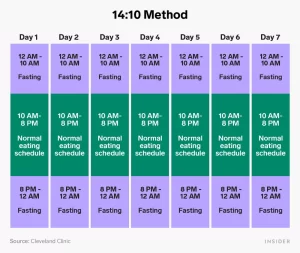
My week 1 started out with fasting for 14 hours. I wanted to take my time and feel things out to see what worked and what didn’t. I did not see the rush in starting my fasting period at 16 hours.
Key items that helped me get through each day:
-Daily manifestation: spending time alone verbally reciting my goals as if it already happened. This was a way for me to commit to my goals daily.
-I filled my 3.5 Liter water bottle in the mornings and took 5 to 10 gulps every hour. I easily consumed 4 liters of water daily. Having a large water bottle that does not require frequent refills makes a tremendous difference in maintaining water intake. It prevents dehydration and helps to stave off hunger.
-I drank a lot of tea, no sugar (sometimes artificial sweetener)
-I tried to avoid coffee but did drink coffee on days when I didn’t feel like depriving myself. I used a creamer with MCT oil (no carbs) instead of milk to keep my body in a ketosis, which I will talk about in the next blog
-I found that consuming apple cider vinegar (2 tbsp) with 16 ounces of water with lemon in the mornings was helpful in reducing cravings. Apple cider vinegar and lemon also has great health benefits which I will elaborate on in future blogs.
-I also found pure Himalayan salt beneficial because of the minerals it provides. I would sometimes add a pinch of Himalayan salt to apple cider vinegar for the benefit of mineral consumption.
What time did I break my fast: My fasting period typically started at 7pm (which is the time I last consumed food) and ended at 9am. That is 14 hours of fasting and 10 hours to food consumption.
What did I eat when I broke me fast: balanced meals with no significant restriction, a Mediterranean style diet works for me. I also found eggs to be filling and low-calorie. I consumed whole avocados when I could because they nutrient-rich. I did make healthier choices with increased consumption of salads, vegetables, and legumes with my meals which helped me to stay full for longer periods of time.
Week 2: the fasting period is 16 hours, with 7pm fasting, next day fast would end at 11am.
Stay tuned for weekly tips and be sure to follow me on Pinterest for Week 1 of intermittent fasting tips!
Disclaimer: The information provided on this website and my social media accounts in any format is for information purposes only, and is not to be a substitute for professional medical advice, diagnosis, or treatment. The information I share is not meant to diagnose or treat any medical condition. Always talk to your doctor before making any changes in your dietary regimen.
]]>
What are possible causes of hirsutism in women?
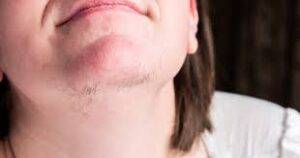
In women, excessive hair growth is often due to excess male hormones (androgens), primarily testosterone. There often is no identifiable cause but possible causes include:
Polycystic ovary syndrome (PCOS). PCOS is a condition, which often begins with puberty. There is an imbalance of sex hormones. Over time, PCOS may result in obesity, excess hair growth, irregular periods, infertility and sometimes multiple cysts on the ovaries.
Cushing syndrome. This syndrome occurs due to high levels of a hormone called cortisol. This can happen when your adrenal glands make too much cortisol or from taking medications such as prednisone (a steroid) over a long period.
Congenital adrenal hyperplasia. CAH is an inherited condition in which the adrenal glands produce an abnormal amount of steroid hormones, including cortisol and androgen.
Tumors. Androgen-secreting tumor in the ovaries or adrenal glands can cause hirsutism but this is rare.
Medications. There are medications that can cause hirsutism. These include:
Danazol-a medication used to treat women with endometriosis
Minoxidil (Minoxidil, Rogaine);
Testosterone (Androgel, Testim)
Dehydroepiandrosterone (DHEA). Please keep in mind that if your partner uses topical products containing androgens, you can be affected through skin-to-skin contact.

What are possible symptoms of high androgen levels?
When high androgen levels cause hirsutism, some women might experience a process called virilization. Signs of virilization might include:
- Acne
- Decreased breast size
- Deepening voice
- Increase in muscle mass
- Balding
- Enlargement of the clitoris
What should you do if you have any of the symptoms described above?
Please see your doctor for possible tests and treatment options. Your doctor may refer you to other doctors that specialize in skin problems (dermatologist) and hormone disorders (endocrinologist).
Mental health impact of hirsutism:
Hirsutism can be emotionally distressing. Some women become self-conscious which can lead to low self-esteem. Some women develop anxiety and depression.
What tests are used for diagnosis?
Your doctor might check tests that measure the amount of certain hormones in your blood, including testosterone or testosterone-like hormones. This will help your doctor to determine whether elevated androgen levels are causing your hirsutism. Your doctor might also examine your abdomen and do a pelvic exam to look for masses that could indicate a tumor.
Treatment of hirsutism with no sign of endocrine disorder is not necessary. For women who do need or seek treatment, it may involve treating any underlying disorder, developing a self-care routine for unwanted hair, and trying various therapies and medications.
Medications
If cosmetic or self-care methods of hair removal haven’t worked for you, talk with your doctor about drugs that treat hirsutism. With these medications it usually takes up to six months, the average life cycle of a hair follicle, before you see a significant difference in hair growth. Options include:
- Oral contraceptives- Birth control pills or other hormonal contraceptives, which contain estrogen and progestin, treat hirsutism caused by androgen production. Oral contraceptives are a common treatment for hirsutism in women who don’t want to become pregnant. Possible side effects include nausea and headache.
- Anti-androgens.These types of drugs block androgens from attaching to their receptors in your body. They’re sometimes prescribed after six months on oral contraceptives if the oral contraceptives aren’t effective enough.
The most commonly used anti-androgen for treating hirsutism is spironolactone (Aldactone, CaroSpir). The results take at least six months to be noticeable. Possible side effects include menstrual irregularity. Because these drugs can cause birth defects, it’s important to use contraception while taking them.
- Topical cream.Eflornithine (Vaniqa) is a prescription cream specifically for excessive facial hair in women. It’s applied directly to the affected area of your face twice a day. It helps slow new hair growth but doesn’t get rid of existing hair. It can be used with laser therapy to enhance the response.
Procedures
Hair removal methods whose results may last longer than self-care methods — and which may be combined with medical therapy — include:
- Laser therapy.A beam of highly concentrated light (laser) is passed over your skin to damage hair follicles and prevent hair from growing (photoepilation). You might need multiple treatments. For people whose unwanted hair is black, brown or auburn, photoepilation is usually a better option than electrolysis.
Talk with your doctor about the risks and benefits of the various lasers used for this hair removal method. People with tanned or darkly pigmented skin are at increased risk of side effects from certain lasers, including a darkening or lightening of their usual skin tones, blistering, and inflammation.
- This treatment involves inserting a tiny needle into each hair follicle. The needle emits a pulse of electric current to damage and eventually destroy the follicle. You might need multiple treatments. For people with naturally blond or white hair, electrolysis is a better option than laser therapy.
Electrolysis is effective but can be painful.
Treatment for hirsutism:
- Hirsutism is not preventable but it is treatable.
- Losing weight might help reduce hirsutism, particularly if you have polycystic ovary syndrome.
- If cosmetic or self-care methods of hair removal does not work, talk to your doctor about what your options are.
- Medications can be used to treat hirsutism but it will likely take up to 6 months before you see any significant difference in hair growth. Medications that are used to treat hirsutism include: oral contraceptives, anti-androgens, and topical cream (such as Vaniqa).
Other options for treatment are Natural remedies:
- Spearmint tea- some reports suggest that women who drink spearmint tea twice a day for five days can reduce levels of androgens that can cause hirsutism. Spearmint tea is said to reduce androgen hormone levels. Prior research suggests that the changes noted from spearmint tea is not substantial and individuals suffering from hirsutism will likely require additional treatment.
- Saw palmetto
How does Saw Palmetto Work to Reduce Hirsutism?
- Increases DHT breakdown
- Inhibits DHT production
- Reduces 5 alpha-reductase activity
- Inhibits DHT binding to androgen receptor sites
Saw palmetto may help with thinning head hair, PCOS, and possibly lower the incidence of acne.
Saw Palmetto takes time to be effective.
Caution:
Please keep in mind that this plant has anti-androgenic effect, and it does manipulate some hormone levels in the body, it is not suggested for combination with any type of medications for fertility that also affect hormone levels.
Always speak with your doctor prior to using Saw Palmetto.
Do not use Saw Palmetto during pregnancy or breastfeeding.
Do not use Saw Palmetto prior to getting hormone testing for any fertility issue. Saw Palmetto may affect the test results.
Szczuko M, Kikut J, Szczuko U, Szydłowska I, Nawrocka-Rutkowska J, Ziętek M, Verbanac D, Saso L.Nutrients. 2021 Jul 18;13(7):2452. doi: 10.3390/nu13072452.PMID: 34371961 Free PMC article. Review.
Zhou K, Zhang J, Xu L, Lim CED.Cochrane Database Syst Rev. 2021 Jun 4;6(6):CD007535. doi: 10.1002/14651858.CD007535.pub4.PMID: 34085287 Free PMC article.
Shen W, Jin B, Pan Y, Han Y, You T, Zhang Z, Qu Y, Liu S, Zhang Y.Evid Based Complement Alternat Med. 2021 Feb 26;2021:6619597. doi: 10.1155/2021/6619597. eCollection 2021.PMID: 33727940 Free PMC article. Review.
- Spearmint herbal tea has significant anti-androgen effects in polycystic ovarian syndrome. A randomized controlled trial. Phytother Research. 2010 Feb;24(2):186-8.
]]>
Treatment for Lyme disease:
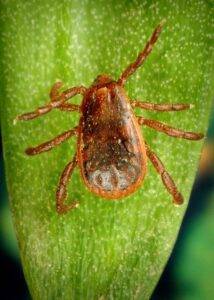
1.Most people will have resolution of the infection with one course of oral antibiotics (usually doxycycline unless an individual is allergic to it, then an alternative antibiotic, such as amoxicillin is recommended.
- For those people who get the classic bulls eye rash (called Erythema migrans), it will resolve without antibiotic therapy, but treatment will speed resolution. Treatment can also be beneficial in avoiding late complications of lyme disease.
Antibiotic recommendations: doxycycline twice daily for 10 days (first line treatment)
Alternative options are: amoxicillin or cefuroxime. For individuals with an allergy to beta-lactams or tetracyclines, azithromycin can be used to treat lyme disease.
Lyme infection in the brain is called neuroborreliosis. Neuroborreliosis can be in the form of inflammation of the lining of the brain tissue (meningitis). It can also be in the form of an irritated nerve that causes pain down the leg (radiculopathy). The choice of oral antibiotics versus intravenous (iv) antibiotics depends on the individual, cost, and possible side effects of iv therapy. In general, IV antibiotic therapy is initially used if a patient is hospitalized. The primary iv option is ceftriaxone with a duration of 14 to 21 days. The oral option for treatment is doxycline, for a duration of 14 to 21 days (it is generally given for 21 days). It is usually favored to give the longer course of 21 Days or 3 weeks. The alternative choices are penicillin G and cefotaxime.
Lyme disease can also affect the heart. Lyme disease can cause inflammation of the heart muscle (carditis). Lyme disease can cause the heart to beat more slowly (heart block) and this is potentially life-threatening. The initial recommend therapy is IV therapy with ceftriaxone. Some people require a temporary pacemaker for slow heart rate. In general, heart block usually resolves within 3 to 7 days of antibiotic therapy. The antibiotic course is 14 to 21 days, depending on the individual and clinical improvement.
When lyme disease affects the joints it is called lyme arthritis. The initial treatment recommendation is doxycycline for 28 days, or IV ceftriaxone. Other alternative treatment options are amoxicillin and cefuroxime. If symptoms recur, treatment can be repeated with an oral course of antibiotics for another 28 days. Some patients can be observed instead of treating a second time. This depends on how severe an individual’s symptoms are.
Keep in mind that it is rare to have an active infection after adequate initial treatment between 10 to 28 days.
If symptoms persist for greater than 6 months (it is called “post-treatment Lyme disease syndrome-PTLDS). In this case,it is recommended to NOT prescribe additional antibiotics as it is unlikely to offer any benefits. The first approach is to evaluate the person for alternative reasons for their symptoms. The next step is to construct a plan for how to help these patients. The strategies used in patients with chronic fatigue syndrome of fibromyalgia seems to help patients with PTLDS. Some of the strategies used include strategies: cognitive-behavioral therapy, pacing protocols, low-impact graded exercise, and sleep hygiene.
Medications that might potentially help patients who are diagnosed with PTLDS in which other strategies did not work are: antidepressants and specific pain modifiers such as pregabalin and gabapentin.
Is there a vaccine for lyme disease?
No! There are no available vaccines for Lyme disease at this time.
There was a previously marketed vaccine called LYMERix that was discontinued by the manufacturer in 2002 due to low consumer demand.
There are current and ongoing clinical trials of new vaccines for Lyme disease. Pfizer and Valneva have a lyme disease vaccine candidate that is currently in Phase 3 human trials.
There is also a human monoclonal antibody that was developed by the University of Massachusetts Medical school’s MassBiologics. It can potentially be used as a pre-exposure prophylaxis for Lyme disease. This monoclonal antibody would provide seasonal protection against lyme disease. It would be given as a single injection, once a year at the beginning of tick season. However, human trials have not been started so this potential treatment is unlikely to be an option in the near future.
Stay tuned for more health information and follow me on pinterest and Youtube for videos on various health conditions.
]]>Let’s talk a little bit about the American diet and the issues we face with nutritional balance. The U.S. Department of Agriculture estimates that 57 percent of the our caloric intake comes from processed plant foods, 32 percent of our calories comes from animal foods, and only 11 percent comes from whole grains, fruits, vegetables, beans, and nuts. About 35% of adults in the U.S. are obese, and it is estimated that this number will increase to almost 50% within 15 years.
Medical evidence suggests that the American diet has a negative impact on our overall health as well as brain function. A diet high in fat and sugar, contributes to decreased insulin sensitivity, heart disease, and it is also associated with greater incidence of depression, impaired learning and memory.
What should your daily diet look like? A daily diet should have a balance of complexed carb, healthy fats, and proteins. In an ideal situation, daily dietary intake should include fruits, vegetables, whole grains, and legumes as the bulk of each meal with proteins and healthy fats.

I created a list with a variety of nutrient-rich foods that are sources of essential vitamins and minerals:
Folic Acid: spinach, asparagus, black beans, garbanzo beans, pinto beans beets, lentils, papaya (Folic Acid plays an important role in the development of red blood cells which is why it’s an especially important nutrient for sickle cell patients)
Vitamin C: Kiwis, oranges strawberries, white potatoes, cabbage, broccoli
Vitamin E: mustard greens, almonds, hazelnuts, wheat germ oil, mangoes, blackberries, sunflower seeds
Vitamin D: Sun exposure, salmon
Carotenoid: carrots, yams, sweet potatoes, spinach, kale, broccoli, cantaloupe, bell peppers
B12 vitamin: Snapper baked, steamed shrimp, baked salmon, calf’s liver, supplements (for vegetarians)
Magnesium: spinach, mustard greens, pumpkin seeds
Phosphorus: almonds, lentils, milk, yoghurt cheese, eggs, beef, chicken, turkey, fish
Zinc: spinach, broccoli, asparagus
High in fiber: broccoli, cauliflower, raspberries, flax seeds, green beans, eggplant
Calcium: leafy green vegetables, spinach, mustang greens, collard green, turnip greens, kale, oranges, salmon, soy milk, tofu
Protein-rich foods: eggs, fish, chicken, meats, beans or tofu and nuts or seeds.
Dried fruit: raisins, prunes, dates
Grains: quinoa, oatmeal, buckwheat

My favorite superfood is Avocado! I can’t get enough of it!
- It is everything!
- Avocado is a superfood because it is a great source of nutrients including folate, magnesium, potassium, riboflavin (B2), Niacin (B3), panthothenic Acid (B5), vitamin E, copper, Pyridoxine (Vitamin B6), and vitamin C. I pureed avocado with ripe banana for my kids when they were younger, and they loved it. It is a staple in their diet. This is a MUST in our house!
- Quinoa I like as a substitute for rice
- Oatmeal is in regular rotation in my house. I make porridge for my kids with oatmeal almost daily!
- Mangoes are also a favorite in my house. They are sweet and packed with nutrition.
- Bananas, berries, broccoli, spinach, and kale are also on my favorite list.
So what are the take away points from this:
1.Eat lots of fruits and vegetables.
2. Consume calcium-rich foods and beverages such as milk, cheese.
3. Eat more nutrient-rich, high-energy foods (dried fruit, nuts and nut butters are good to keep in your dietary rotation list).
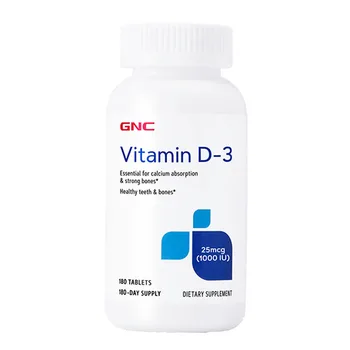
4. Vitamin D supplementation might be needed if you are not getting enough sun or you are not getting enough vitamin D in your diet. Oral vitamin supplementation is controversial regarding how effective it is due to limitations with absorption. This should be discussed with your doctor.
5. And last but not least, hydrate! Drink lots of water. That is a MUST!
Follow me on pinterest and Youtube for more health tips!
REFERENCES
- U.S. Department of Health and Human Services and U.S. Department of Agriculture. 2015 – 2020 Dietary Guidelines for Americans. 8th Edition. Available at http://health.gov/dietaryguidelines/2015/guidelines/(2015).
- Centers for Disease Control and Prevention. Adult obesity facts. http://www.cdc.gov/obesity/data/adult.html.
]]>

Today I will give some tips on how you can improve your health by making small changes in your life right now!
When it concerns our health, it is hard to deny that prevention is considerably better than cure, no
matter what disease you might have. Although there are a lot of chronic, inborn, and terminal
illnesses, there are still a lot of health conditions and injuries that are preventable or can be managed
much better and easier if identified at an early stage. Unfortunately, it is common for many people
only to go to the doctor when they start to feel unwell. We are here to tell you how some
simple actions can save your life and the lives of other people around you.
Let’s start with the most evident measure – wearing a mask. Unfortunately, with the appearance of
COVID-19, our reality will never be the same. Travelling with a mask in our cars, purses, pockets, or luggage has become a new standard. This is the new normal. But look at the positive side of it: a mask is not just a useless piece of clothing – it is a simple but effective means that may help to potentially protect you from dust, many viruses (not only covid-19), pollens, and air pollution to some extent.
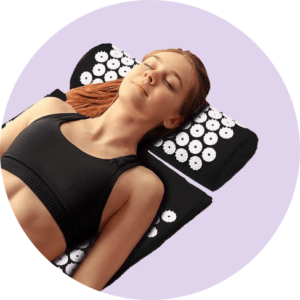
Another simple thing you can do to improve your health is to get plenty of rest, make sure you are getting enough sleep, and treating yourself to a massage when possible. Some people use massagers regularly in their home to help stimulate circulation in certain areas of the body. Massages are not only beneficial for people with sore muscles or backache. There are different kinds of massagers that target different areas of the body (back, body, face, anti-
cellulitis, etc.). Massage therapy may help with muscle soreness, body aches and pains, and it may help with healing. The most important take away points are get plenty of rest and stay active. Aim to walk or do an activity of your choice for at least 30 minutes 3 to 5 times a week. Always consult with your doctor before making any changes in your diet and activity.
Stay tuned for more health tips and follow me on my Youtube channel and pinterest!
]]>