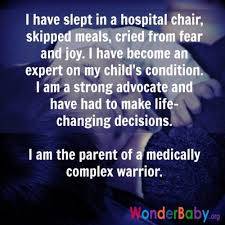
 Having a son who was diagnosed with sickle cell disease at birth is the reason why I am so passionate about writing this article. I am blessed to have great family support and access to resources for my son but that is not the case for many families. My son had a bone marrow transplant in 2020 to cure his life-threatening condition. I recall how isolated I felt when I received the call that my son had sickle cell disease. Although my family and friends tried their best to be supportive, the isolation and anxiety I felt everyday is a feeling only other parents with chronically ill children understand. Imagine that your child has more bad days than good days due to their illness. Now think about the parents and the emotional overload space they exist in every single day. They have a great responsibility to care of their sick child and they often suffer in silence.
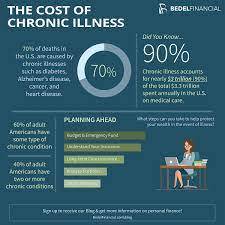
Did you know that more than 10 million children in the United States alone have or are at increased risk of having a chronic physical, developmental, or behavioral condition that requires health and related services beyond what is generally required by the average child without a serious health condition. If you are a parent or caregiver of a chronically-ill child, you are not alone! There are many organizations with resources to help you, your child with special needs, and your family.
If you’re a parent or caregiver searching for the best resources for your family, I have prepared a list of things for you to consider. These are the questions that you should ask yourself to help you narrow down your focus on the organizations that are best equipped to meet your specific needs.
- What do you hope to get help with through contacting the organization?
- Are you looking for resources to help your child become more social?
- Are you looking to get financial assistance?
- Are you looking to get help with medical insurance?
- Are you looking to get medical equipment for your child?
- Are you looking for in-home services for your child?
- Are you looking for personal help, whether it be mental health resources, connecting with other parents with sick children, or financial help?
- Are you looking for a group dedicated only to your child’s specific condition or disease?
- Do you want something that is broad, and available to all families and children with special healthcare needs?
- Have you contacted your child’s school, local children’s hospital, or non-profit organizations for information?
I write about sickle cell disease, and I also have Youtube channel with specific resources for sickle cell disease. However, there are many national organizations that can assist families of children with special needs. I have listed some of the notable organizations below by categories:
- The Center for Parent Information and Resources (CPIR) serves as a central resource of information and products within the community. Goto https://www.parentcenterhub.org/find-your-center/ to find a center that serves your state by using their interactive map.
Organizations that have been helpful to families with chronically-ill children:
Family Voices: Children and youth with special health care needs can benefit from Family Voices.
Federation for Children with Special Needs: The focus of the Federation for Children with Special Needs is on the parents and providing support for them, which in turn benefits the child with special needs.
Family Hope Center: When children or adults have special needs, the Family Hope Center provides support to the entire family.
Family Resource Center on Disabilities: Training, assistance, and information are given to parents of children with disabilities by the Family Resource Center on Disabilities.
National Association of Parents with Children in Special Education (NAPCSE): Parents of Special Education students can learn how to be their child’s best advocate.
National Center for Learning Disabilities: Children and adults with learning disabilities will benefit from the information and resources available from the National Center for Learning Disabilities.
National Collaborative on Workforce and Disability: NCWD for Youth provides strategies and development systems for youth with disabilities to join the workforce.
PACER is a comprehensive “parent training and information center.” Based in Minneapolis, but serving the nation.
The M.O.R.G.A.N. Project stands for Making Opportunities Reality Granting Assistance Nationwide. This group, established by parents Robert and Kristen Malfara, supports families in their journey of raising a child with special needs. In addition to having resources and information on their website, the group also assists families with travel expenses for medical treatments and gifts of medical equipment that aren’t covered by insurance, such as wheelchairs. It works to create a group of parents who are supportive of each other in difficult times.
Parent to Parent USA is a group that matches each parent with a fellow parent who has a child with the same special healthcare need, disability or mental health concern, allowing each parent or family to have a contact for sharing information, receiving support and creating new friendships. “Parent to Parent USA has local groups in almost all states, and is great for connecting families with each other for emotional support,” notes Smith.
United Spinal Association: The United Spinal Association offers support, advice, and resources for those with spinal cord injuries.
National Youth Leadership Network- build strength among people with disabilities who are between the ages of 16 and 28. The group hosts workshops around the country for young people to learn how to develop leadership skills.
Federation for Children with Special Needs is a national organization that provides information, support and assistance to parents of children with disabilities, their professional partners and their communities. By allowing these families to more fully participate in community life, children with special needs are able to grow to their full potential. The Federation promotes the active and informed participation of parents of children with special needs in shaping and influencing public policies that affect their families. The peer support network the group provides allows for families to meet with those who can relate and understand.
Family Voices, which, according to the Parenting Advocacy Network, “ family-centered care” for all children with special needs. Family Voices provides families with the “tools to make informed decisions” about healthcare and education, build partnerships between families and their service providers and serve as a trusted resource on healthcare. They also help families learn to advocate for improved policies to best serve children with special needs. One of their main goals is to empower young people with disabilities so that they may become self-advocates for various causes that affect those with special needs.
The Council for Exceptional Children is the largest international professional organization dedicated to improving the educational success of children with disabilities. They advocate for successful governmental policies and set standards for professionals in the education industry. They also provide professional development seminars and they help teachers, administrators, parents, related students and other educational support staff to best support and educate the children with special needs with whom they work.
Move United. Established in 1956. They are an affiliate of the U.S. Olympic & Paralympic Committee. They organize year-round sport and recreation opportunities for people with a wide range of disabilities. They have over 200 member organizations in almost every state.
Best Buddies is an organization that helps kids with special needs develop friendships and stay social. This organization works to help those with special needs improve their communication skills, secure jobs and develop the necessary skills to live independently.
Friendship Circle has locations throughout the country. FC pairs teen volunteers with a child with special needs in order to form “lasting friendships” and help teens reap the rewards of “selfless giving.” Most programs take place after school or on Sundays. They include a number of sports, activities, social circles and trips for older kids.
I hope that this was helpful. Follow me on my Youtube channel and pinterest.
]]>

Treatment for Lyme disease:
1.Most people will have resolution of the infection with one course of oral antibiotics (usually doxycycline unless an individual is allergic to it, then an alternative antibiotic, such as amoxicillin is recommended.
- For those people who get the classic bulls eye rash (called Erythema migrans), it will resolve without antibiotic therapy, but treatment will speed resolution. Treatment can also be beneficial in avoiding late complications of lyme disease.
Antibiotic recommendations: doxycycline twice daily for 10 days (first line treatment)
Alternative options are: amoxicillin or cefuroxime. For individuals with an allergy to beta-lactams or tetracyclines, azithromycin can be used to treat lyme disease.
Lyme infection in the brain is called neuroborreliosis. Neuroborreliosis can be in the form of inflammation of the lining of the brain tissue (meningitis). It can also be in the form of an irritated nerve that causes pain down the leg (radiculopathy). The choice of oral antibiotics versus intravenous (iv) antibiotics depends on the individual, cost, and possible side effects of iv therapy. In general, IV antibiotic therapy is initially used if a patient is hospitalized. The primary iv option is ceftriaxone with a duration of 14 to 21 days. The oral option for treatment is doxycline, for a duration of 14 to 21 days (it is generally given for 21 days). It is usually favored to give the longer course of 21 Days or 3 weeks. The alternative choices are penicillin G and cefotaxime.
Lyme disease can also affect the heart. Lyme disease can cause inflammation of the heart muscle (carditis). Lyme disease can cause the heart to beat more slowly (heart block) and this is potentially life-threatening. The initial recommend therapy is IV therapy with ceftriaxone. Some people require a temporary pacemaker for slow heart rate. In general, heart block usually resolves within 3 to 7 days of antibiotic therapy. The antibiotic course is 14 to 21 days, depending on the individual and clinical improvement.
When lyme disease affects the joints it is called lyme arthritis. The initial treatment recommendation is doxycycline for 28 days, or IV ceftriaxone. Other alternative treatment options are amoxicillin and cefuroxime. If symptoms recur, treatment can be repeated with an oral course of antibiotics for another 28 days. Some patients can be observed instead of treating a second time. This depends on how severe an individual’s symptoms are.
Keep in mind that it is rare to have an active infection after adequate initial treatment between 10 to 28 days.
If symptoms persist for greater than 6 months (it is called “post-treatment Lyme disease syndrome-PTLDS). In this case,it is recommended to NOT prescribe additional antibiotics as it is unlikely to offer any benefits. The first approach is to evaluate the person for alternative reasons for their symptoms. The next step is to construct a plan for how to help these patients. The strategies used in patients with chronic fatigue syndrome of fibromyalgia seems to help patients with PTLDS. Some of the strategies used include strategies: cognitive-behavioral therapy, pacing protocols, low-impact graded exercise, and sleep hygiene.
Medications that might potentially help patients who are diagnosed with PTLDS in which other strategies did not work are: antidepressants and specific pain modifiers such as pregabalin and gabapentin.
Is there a vaccine for lyme disease?
No! There are no available vaccines for Lyme disease at this time.
There was a previously marketed vaccine called LYMERix that was discontinued by the manufacturer in 2002 due to low consumer demand.
There are current and ongoing clinical trials of new vaccines for Lyme disease. Pfizer and Valneva have a lyme disease vaccine candidate that is currently in Phase 3 human trials.
There is also a human monoclonal antibody that was developed by the University of Massachusetts Medical school’s MassBiologics. It can potentially be used as a pre-exposure prophylaxis for Lyme disease. This monoclonal antibody would provide seasonal protection against lyme disease. It would be given as a single injection, once a year at the beginning of tick season. However, human trials have not been started so this potential treatment is unlikely to be an option in the near future.
Stay tuned for more health information and follow me on pinterest and Youtube for videos on various health conditions.
]]>Let’s talk a little bit about the American diet and the issues we face with nutritional balance. The U.S. Department of Agriculture estimates that 57 percent of the our caloric intake comes from processed plant foods, 32 percent of our calories comes from animal foods, and only 11 percent comes from whole grains, fruits, vegetables, beans, and nuts. About 35% of adults in the U.S. are obese, and it is estimated that this number will increase to almost 50% within 15 years.
Medical evidence suggests that the American diet has a negative impact on our overall health as well as brain function. A diet high in fat and sugar, contributes to decreased insulin sensitivity, heart disease, and it is also associated with greater incidence of depression, impaired learning and memory.
What should your daily diet look like? A daily diet should have a balance of complexed carb, healthy fats, and proteins. In an ideal situation, daily dietary intake should include fruits, vegetables, whole grains, and legumes as the bulk of each meal with proteins and healthy fats.

I created a list with a variety of nutrient-rich foods that are sources of essential vitamins and minerals:
Folic Acid: spinach, asparagus, black beans, garbanzo beans, pinto beans beets, lentils, papaya (Folic Acid plays an important role in the development of red blood cells which is why it’s an especially important nutrient for sickle cell patients)
Vitamin C: Kiwis, oranges strawberries, white potatoes, cabbage, broccoli
Vitamin E: mustard greens, almonds, hazelnuts, wheat germ oil, mangoes, blackberries, sunflower seeds
Vitamin D: Sun exposure, salmon
Carotenoid: carrots, yams, sweet potatoes, spinach, kale, broccoli, cantaloupe, bell peppers
B12 vitamin: Snapper baked, steamed shrimp, baked salmon, calf’s liver, supplements (for vegetarians)
Magnesium: spinach, mustard greens, pumpkin seeds
Phosphorus: almonds, lentils, milk, yoghurt cheese, eggs, beef, chicken, turkey, fish
Zinc: spinach, broccoli, asparagus
High in fiber: broccoli, cauliflower, raspberries, flax seeds, green beans, eggplant
Calcium: leafy green vegetables, spinach, mustang greens, collard green, turnip greens, kale, oranges, salmon, soy milk, tofu
Protein-rich foods: eggs, fish, chicken, meats, beans or tofu and nuts or seeds.
Dried fruit: raisins, prunes, dates
Grains: quinoa, oatmeal, buckwheat

My favorite superfood is Avocado! I can’t get enough of it!
- It is everything!
- Avocado is a superfood because it is a great source of nutrients including folate, magnesium, potassium, riboflavin (B2), Niacin (B3), panthothenic Acid (B5), vitamin E, copper, Pyridoxine (Vitamin B6), and vitamin C. I pureed avocado with ripe banana for my kids when they were younger, and they loved it. It is a staple in their diet. This is a MUST in our house!
- Quinoa I like as a substitute for rice
- Oatmeal is in regular rotation in my house. I make porridge for my kids with oatmeal almost daily!
- Mangoes are also a favorite in my house. They are sweet and packed with nutrition.
- Bananas, berries, broccoli, spinach, and kale are also on my favorite list.
So what are the take away points from this:
1.Eat lots of fruits and vegetables.
2. Consume calcium-rich foods and beverages such as milk, cheese.
3. Eat more nutrient-rich, high-energy foods (dried fruit, nuts and nut butters are good to keep in your dietary rotation list).
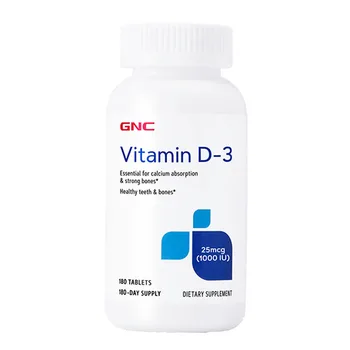
4. Vitamin D supplementation might be needed if you are not getting enough sun or you are not getting enough vitamin D in your diet. Oral vitamin supplementation is controversial regarding how effective it is due to limitations with absorption. This should be discussed with your doctor.
5. And last but not least, hydrate! Drink lots of water. That is a MUST!
Follow me on pinterest and Youtube for more health tips!
REFERENCES
- U.S. Department of Health and Human Services and U.S. Department of Agriculture. 2015 – 2020 Dietary Guidelines for Americans. 8th Edition. Available at http://health.gov/dietaryguidelines/2015/guidelines/(2015).
- Centers for Disease Control and Prevention. Adult obesity facts. http://www.cdc.gov/obesity/data/adult.html.
]]>

Today I will give some tips on how you can improve your health by making small changes in your life right now!
When it concerns our health, it is hard to deny that prevention is considerably better than cure, no
matter what disease you might have. Although there are a lot of chronic, inborn, and terminal
illnesses, there are still a lot of health conditions and injuries that are preventable or can be managed
much better and easier if identified at an early stage. Unfortunately, it is common for many people
only to go to the doctor when they start to feel unwell. We are here to tell you how some
simple actions can save your life and the lives of other people around you.

Let’s start with the most evident measure – wearing a mask. Unfortunately, with the appearance of
COVID-19, our reality will never be the same. Travelling with a mask in our cars, purses, pockets, or luggage has become a new standard. This is the new normal. But look at the positive side of it: a mask is not just a useless piece of clothing – it is a simple but effective means that may help to potentially protect you from dust, many viruses (not only covid-19), pollens, and air pollution to some extent.

Another simple thing you can do to improve your health is to get plenty of rest, make sure you are getting enough sleep, and treating yourself to a massage when possible. Some people use massagers regularly in their home to help stimulate circulation in certain areas of the body. Massages are not only beneficial for people with sore muscles or backache. There are different kinds of massagers that target different areas of the body (back, body, face, anti-
cellulitis, etc.). Massage therapy may help with muscle soreness, body aches and pains, and it may help with healing. The most important take away points are get plenty of rest and stay active. Aim to walk or do an activity of your choice for at least 30 minutes 3 to 5 times a week. Always consult with your doctor before making any changes in your diet and activity.
Stay tuned for more health tips and follow me on my Youtube channel and pinterest!
]]>